
I came out of Sentimental Value feeling raw.
Not overwhelmed exactly, but stripped back. As if the film had asked me to sit with emotions that are usually softened, explained away, or hurried past.
At one level, it is a film about family. A father and his daughters. Sisters who carry the same history differently. The long shadow cast when a parent leaves, and how relationships never quite return to what they were. But that description feels far too small for what unfolds.
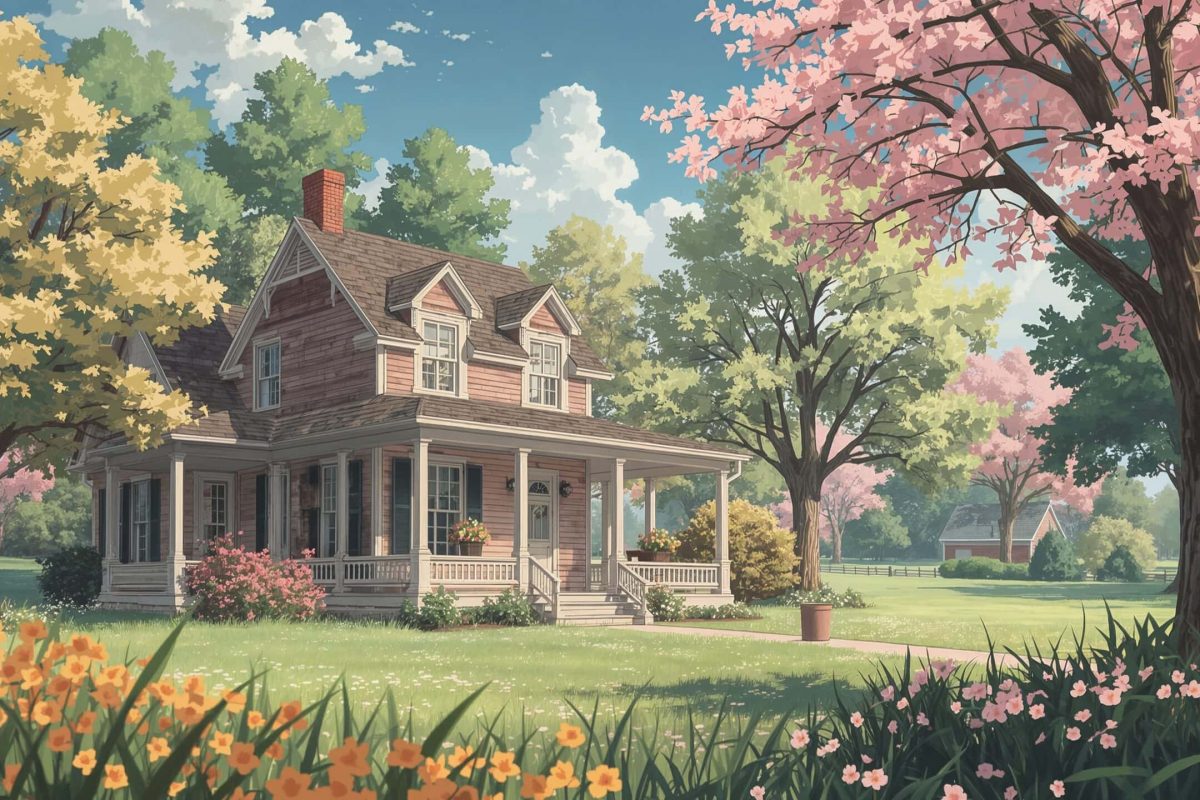
This is also a film about our relationships with places, with work, and with ourselves. The house matters deeply, not as a symbol, but as a container of memory. Work matters too, though not in the usual way. The father, a film director who has not directed a film for twenty years, believes his next project will be his masterpiece. He wants his elder daughter to play the lead. She refuses even to read the script.
That refusal feels important. Not dramatic, just absolute. As if some doors cannot be opened again, even when what lies behind them might be beautiful.
Instead, a famous American actress takes the role. She tries, sincerely, but never quite inhabits it. She senses, as the director himself admits, that the part was written for someone else. Something essential is missing. You feel it in the awkwardness, in the effort, in her growing awareness that technical skill cannot bridge emotional distance.
Ageing sits quietly but insistently throughout the film. The father finds it less easy to rise from a chair. His former cinematographer, once vital to his creative vision, now moves with frailty and a stick. Their original plan, a single handheld take filmed inside the house, becomes impossible. Bodies no longer cooperate with ambition.
There is sadness in this, but not self-pity. What emerges instead is adaptation. The house is stripped back. The kitchen is torn out. For a moment, it is unclear whether this is destruction or preparation. Later, we see the filming take place in a studio, redesigned so it can be achieved with a dolly and tripod. Not the original vision, but something workable. Something shared. A final collaboration reshaped to fit ageing bodies rather than denying them.
That moment stayed with me.
This is not a film about resolution. There is no neat reconciliation, no emotional crescendo that restores what has been lost. It is a film about living with the residue of earlier choices. Depression and sadness sit alongside brief flashes of joy. Relationships remain complicated. Love is present, but it is constrained, awkward, sometimes refused.
What Sentimental Value seems to offer is not comfort, but honesty. An invitation to acknowledge that later life, creative work, and family ties are often shaped by loss as much as by intention. And that meaning, when it comes, is more likely to arrive through adaptation than through triumph.
I did not leave the cinema uplifted. But I did leave feeling that the film had told the truth, quietly, and without flinching.