
I have not written a film review for a while, but The Housemaid stayed with me long after the credits rolled.
On the surface, it is a psychological thriller built around a familiar setup. A wealthy couple. A young woman hired into their home. Unease. Shifting loyalties. A growing sense that something is not right.
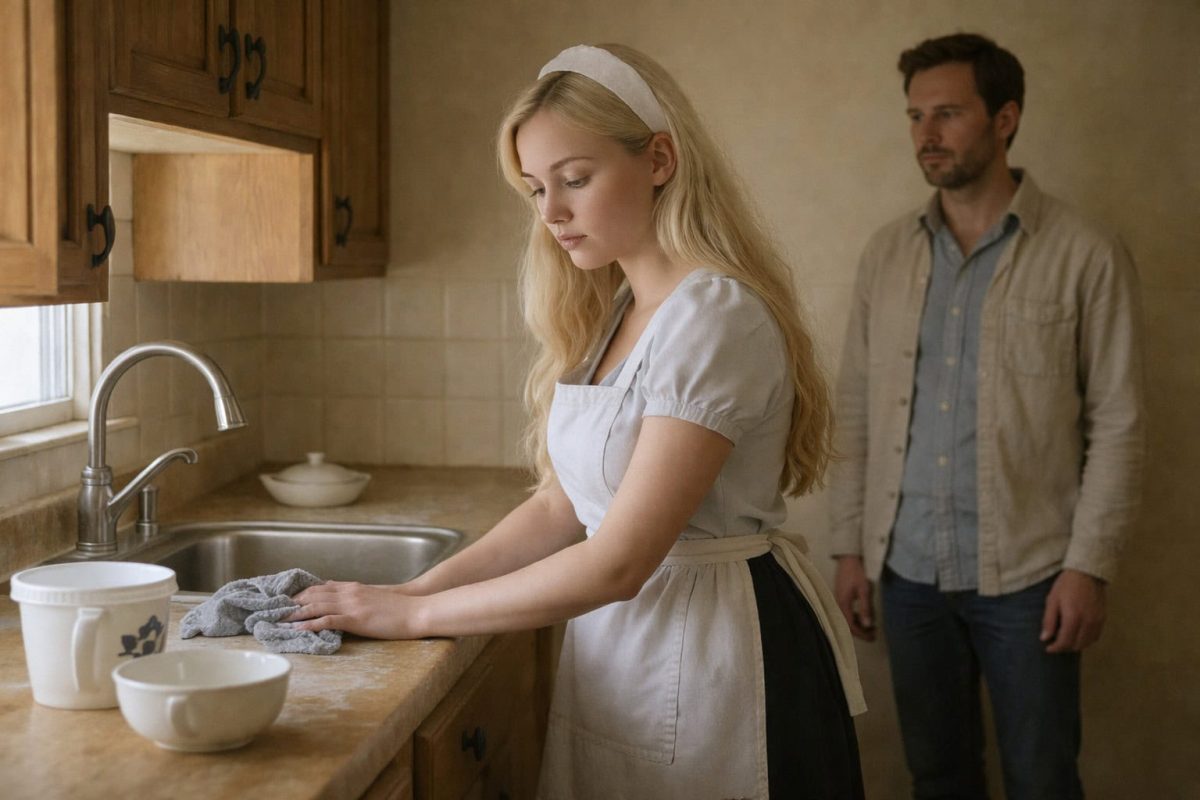
Both Amanda Seyfried and Sydney Sweeney are compelling, cast deliberately as beautiful, blonde, apparently fragile women. The husband, equally deliberate casting, is strikingly handsome, attentive, and immediately likeable.
At first, the story appears to revolve around a wife who seems unstable. Her behaviour flips. Her moods are unpredictable. It is easy, as a viewer, to fall into the same assumption the film quietly invites: she is the problem.
But that assumption does not hold.
As the story unfolds, it becomes clear that the real danger lies elsewhere. The husband’s charm masks something far more disturbing. His intensity is reframed as care. His attentiveness becomes control. His protectiveness turns into confinement. What looks like devotion reveals itself as ownership.
The film handles this shift well. It does not rely on sudden twists so much as a gradual recalibration of perspective. You realise how easily control can pass as love, especially when it is wrapped in competence, generosity, and public approval.
One of the most unsettling aspects is how invisible this kind of abuse is to the outside world. Everyone in the film sees a charming man. A good husband. A success. The women live a very different reality behind closed doors.
That recognition is what made the film difficult to watch at times. Not because of the violence itself, but because of how familiar the pattern is. The way someone can be admired by everyone else while quietly dismantling the person closest to them. The way the victim is subtly positioned as unstable, difficult, or ungrateful.
The arrival of the housemaid is not accidental. She is chosen precisely because she is vulnerable, disconnected, and in need of care. The dynamic repeats itself. And then, crucially, it breaks.
I will avoid describing the ending in detail. Suffice to say, the balance of power eventually shifts, though the film resists offering a neat or comforting resolution. Freedom, when it comes, is complicated. Survival does not automatically mean healing. And the final scene suggests that escape from one controlling dynamic does not guarantee immunity from the next.
The Housemaid is not a subtle film, but it is an effective one. It captures something important about coercive control. How it hides in plain sight. How charm protects it. How long it can take, both for victims and for observers, to name what is really happening.
This is not an easy watch. But it is a revealing one.
What I didn’t expect was how much the film stayed with me personally. Not because it told me anything new, but because it reminded me how easily the past can reappear. You can think you have made your peace with something, decades on, and then a scene, a look, a pattern of behaviour brings you straight back.
Watching The Housemaid took me, briefly, to a much earlier time in my own life. A reminder that experiences of control and charm are not neatly filed away just because time has passed. They live somewhere quieter, and sometimes they are stirred.
Perhaps that is one of the film’s unspoken truths. Not just that control hides well, but that recognition can arrive long after the event. And when it does, it reminds us how deeply such experiences shape us, even thirty or forty years on.