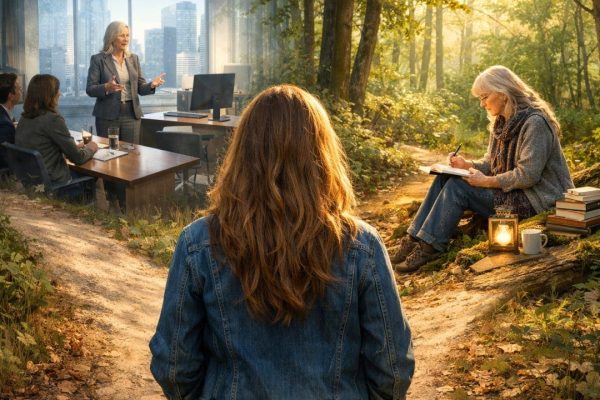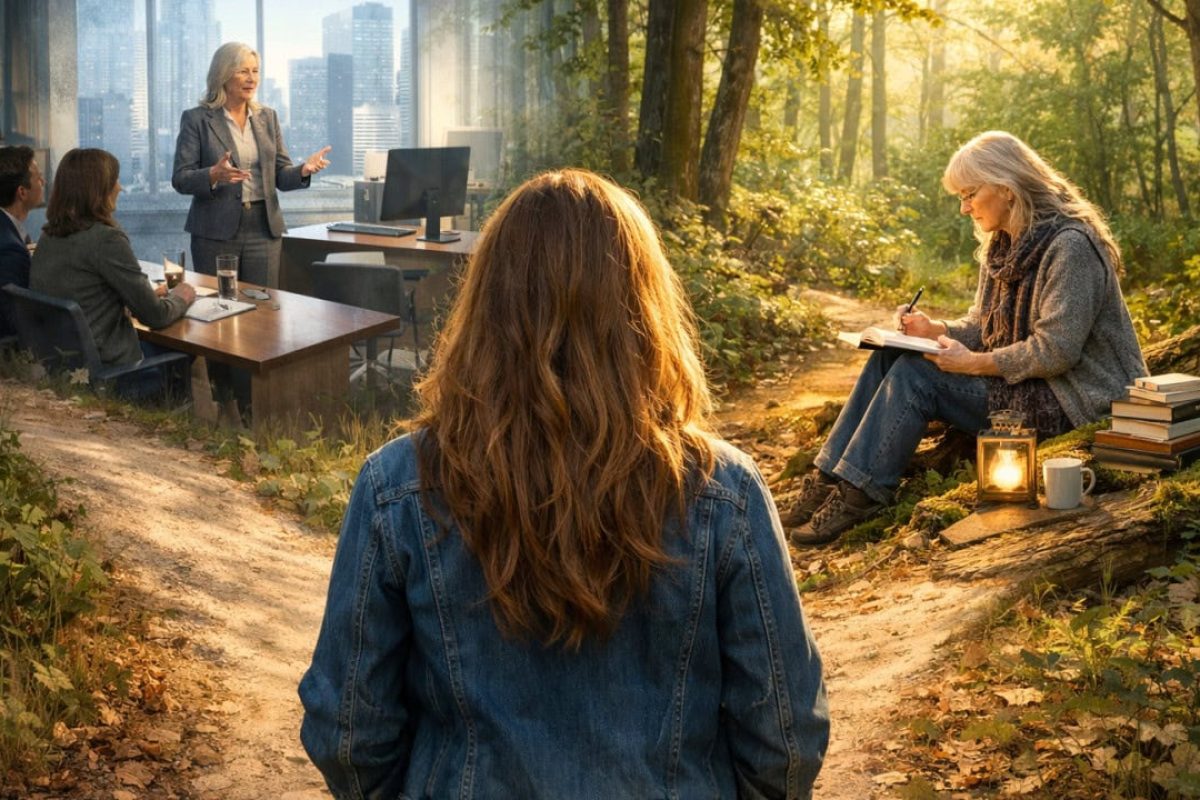

Recent events in UK politics have prompted me to reflect on something we rarely talk about openly: what happens to identity when a role ends suddenly.
Not retirement.
Not a planned transition.
But the abrupt loss of a position that has shaped how someone understands themselves, and how others recognise them.
In politics, we’re used to seeing advisers, strategists, and behind-the-scenes figures rise quickly and fall just as fast. Their power is rarely formal. It comes from proximity, influence, being in the room where decisions are made. When that ends, sometimes overnight, the public conversation moves on swiftly. But for the individual, something more profound has shifted.
Because some roles are not just jobs.
They are identities.
The fixer.
The negotiator.
The person who knows what’s really going on.
The one with a finger on the pulse.
When that identity is stripped away, especially under pressure or scrutiny, the question is no longer “what do I do next?” but something far more unsettling:
Who am I now, without this role?
I’ve seen versions of this play out not only in politics, but in sport, business, and organisational life. Managers dismissed. Senior figures made surplus. People whose sense of value was bound up with relevance, momentum, and being needed.
Outsiders often assume the main issue is money.
But that’s rarely the whole story.
Years ago, I was offered redundancy from an organisation where I had built my career over many years. I had progressed from a clerical role to senior management positions, leaving as Assistant Director. When the offer came, many people advised me to take it. “Just think about the money,” they said. And on paper, it made sense. The sum was substantial.
So, I took it.
What I hadn’t fully reckoned with was what else I was letting go of.
That organisation had been the backdrop to my adult identity. My sense of competence, progression, and belonging was tightly woven into it. My role was no longer needed, but I still needed the version of myself that had grown there.
At the time, I grieved. But I didn’t yet understand what that moment really was. Looking back now, I can see it was a pivot point. A place where one life quietly ended and another began.
Had I stayed, I would likely have retired at sixty on a substantial pension. It would have been a good life by many measures. But it would have been a different one.
I would not have become an author.
I would not have built a body of work around later life, meaning, and identity.
I would not have bought a woodland.
I would not have trained as a wilderness rites of passage guide.
I would not be this Denise.
We never get to live the alternative versions of our lives. We only get to imagine them. But moments like redundancy, dismissal, or role loss are not just endings. They are branch points, even if they don’t feel like it at the time.
This is one reason retirement can be so destabilising for some people, even when it’s voluntary and financially secure. It’s a socially acceptable version of the same rupture. A role ends, and with it, a familiar way of answering the question: Who am I?
Rebuilding identity is not quick work. It doesn’t respond well to slogans or forced optimism. It requires grief, reflection, and time. It involves separating who we are from what we once did, and allowing something new, often quieter, to take shape.
We talk endlessly about ambition, success, and achievement. We talk far less about what it takes to let an identity die, and to stay present in the space that follows.
Yet it is often in that space, uncomfortable and uncertain as it is, that a different kind of life begins to unfold.
I write longer, more reflective essays on Substack, where I explore ageing, identity, and later life in more depth. I publish three times a week. Recent pieces include:
What If Everything Old Sounds New Again – a reflection on creativity, women’s lives, and re-claiming voice
The Hundred-Year Life, and the Question Nobody Is Asking – on longevity, meaning, and what extended lives actually ask of us